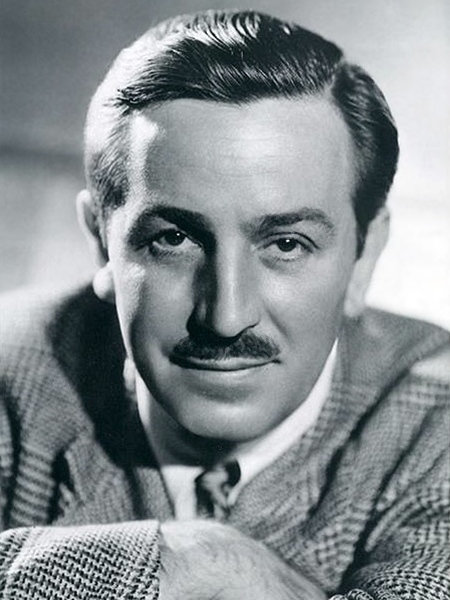
How Walt Disney Built the World's Entertainment Empire
Walt Disney. The name conjures images of whimsical castles, beloved cartoon characters, and groundbreaking theme parks. But behind the magic lies the extraordinary story of Walter Elias Disney, an American visionary whose relentless drive and creative genius transformed a humble animation studio into a global entertainment behemoth. To understand the depth of his achievement, we must delve into the origins, inspirations, and pivotal moments that forged an empire, paying close attention to the historical context that shapes our understanding of his legacy.
The Humble Beginnings of a Visionary
Born in Chicago, Illinois, Walt Disney's early life was a tapestry of transient experiences that profoundly influenced his future endeavors. He was the fourth son of Elias Disney, a man of many trades—a carpenter, farmer, and building contractor—and Flora Call, a former public school teacher. This familial backdrop, characterized by hard work and a degree of restlessness, instilled in young Walt a unique perspective.
A formative period for Disney began when his family moved to a farm near Marceline, Missouri. This quintessential small Midwestern town, with its idyllic charm and close-knit community, is widely acknowledged as the inspiration for the iconic Main Street, U.S.A., found in Disneyland and other Disney parks. It was here, amidst the rustic beauty of Marceline, that Walt first discovered a passion and aptitude for drawing and painting, using crayons and watercolors to bring his youthful imagination to life.
However, the family's journey continued, driven by Elias Disney's changing ventures. They eventually relocated to Kansas City, Missouri, where Walt's father purchased a morning newspaper route. Young Walt and his brothers were compelled to assist in delivering papers, a demanding task that Walt later reflected upon as a source for many of his adult habits and compulsions. These early experiences, though challenging, undoubtedly contributed to his resilience, work ethic, and determination—qualities that would be indispensable in building his future empire.
To learn more about these foundational influences, consider reading The Roots of Disney: Walt's Vision and Early Inspirations.
From Aspiring Artist to Animation Pioneer
Walt Disney's artistic journey truly began to solidify upon the family's return to Chicago in 1917. While attending McKinley High School, he pursued his artistic inclinations, taking photographs, contributing drawings to the school paper, and studying cartooning in his spare time. His ambition was clear: he harbored a keen hope of becoming a newspaper cartoonist, a common and respectable artistic pursuit of the era.
His progress was temporarily interrupted by the seismic events of World War I. Despite being underage, Walt joined the American Red Cross and served as an ambulance driver in France and Germany, witnessing firsthand the profound impact of global conflict. This experience, though brief, broadened his perspective and likely deepened his understanding of human emotion and storytelling.
Upon his return to Kansas City in 1919, Disney found employment as a draftsman and inker in various commercial art studios. It was during this period that he encountered Ub Iwerks, a fellow young artist whose exceptional talents proved instrumental in Walt's burgeoning career. This partnership would become one of the most significant collaborations in animation history, laying the groundwork for many of Disney's early successes. Together, they experimented with animation, pushing the boundaries of what was possible in the nascent medium. This spirit of innovation led to their first independent ventures, and ultimately, to the creation of arguably the most famous cartoon character in history.
The birth of Mickey Mouse in 1928, specifically with the synchronized sound cartoon Steamboat Willie, was a watershed moment. Mickey was more than just a character; he was a symbol of hope, ingenuity, and pure, unadulterated fun, captivating audiences worldwide and cementing Disney's reputation as a pioneer in animated cartoon films.
Beyond Cartoons: Crafting Immersive Worlds
While animation built the foundation of his company, Walt Disney's vision extended far beyond the silver screen. He wasn't just a filmmaker; he was a showman, constantly seeking new ways to entertain and engage his audience. This expansive outlook led him to conceive of an entirely new form of entertainment: the theme park.
Disneyland, which opened its gates near Los Angeles in 1955, was a monumental undertaking and a testament to Disney's unparalleled imagination and meticulous attention to detail. It wasn't merely an amusement park; it was a carefully curated, immersive world designed to transport visitors into stories, fulfilling a desire for shared family experiences that were often lacking in traditional carnivals or fairs. Disneyland brought his animated worlds to life, allowing guests to walk through Cinderella Castle, sail with pirates, or explore exotic jungles. It instantly became a global phenomenon, setting a new standard for themed entertainment and demonstrating Walt's belief that attention to narrative and immersive environments could create truly magical experiences.
Even as Disneyland thrived, Disney's ambition remained boundless. Before his untimely death on December 15, 1966, in Burbank, California, he had already embarked on an even more audacious project: Walt Disney World near Orlando, Florida. This second park, conceived on a grander scale, was designed not just as an amusement park but as an entire vacation destination, an Experimental Prototype Community of Tomorrow (EPCOT) that would blend entertainment with innovation and urban planning. Though he didn't live to see its completion in 1971, Walt Disney World stands as a powerful symbol of his forward-thinking approach and his enduring legacy of dreaming bigger than anyone else.
Explore the evolution of his park vision in Walt Disney's Journey: From Cartoons to Global Parks.
The Enduring Legacy and the Disney Empire
The company Walt Disney founded has, since his passing, burgeoned into one of the world's largest and most influential entertainment conglomerates. From its humble beginnings in animation, it has expanded into film studios, television networks, merchandise, publishing, and of course, a global portfolio of theme parks and resorts. The characters Walt Disney created—Mickey Mouse, Donald Duck, and countless others—have become cultural icons, beloved by generations across the globe.
Walt Disney's impact reaches beyond mere entertainment. He revolutionized animation, pioneering techniques and storytelling methods that remain foundational to the art form. He transformed the concept of leisure and tourism with his theme parks, creating immersive experiences that continue to captivate millions. His entrepreneurial spirit, combined with an unwavering commitment to quality and innovation, set a benchmark for the entire entertainment industry.
His biography, marked by a blend of artistic talent, relentless innovation, and a keen understanding of public desires, provides a compelling narrative. It highlights how a man born to a peripatetic carpenter and a schoolteacher could, through sheer force of will and a vivid imagination, build a multifaceted global enterprise that continues to define popular culture.
Walt Disney's journey from a small-town boy with a crayon to the architect of a sprawling entertainment empire is a story steeped in vision, perseverance, and groundbreaking innovation. His life exemplified the power of storytelling and the magic of dreams brought to life. He not only created characters and parks but also built a legacy of imagination that continues to inspire, entertain, and shape the cultural landscape of the world. The Disney Company, a testament to his genius, remains a beacon of creativity, constantly evolving yet always rooted in the foundational principles established by its visionary founder.