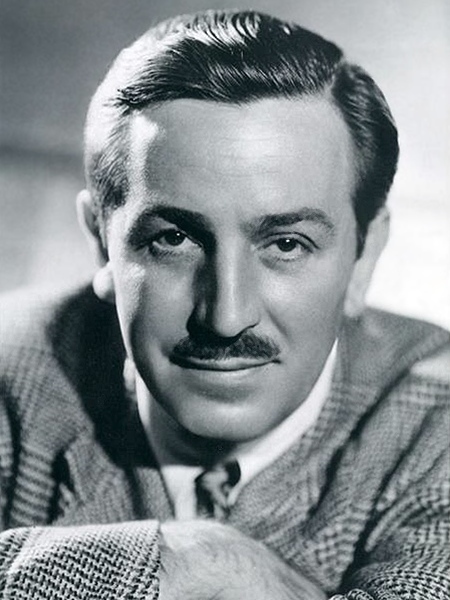
Walt Disney's Journey: From Cartoons to Global Parks
The name Walt Disney evokes images of magic, wonder, and unparalleled entertainment. It represents not just a man, but a monumental legacy built on boundless imagination, relentless innovation, and an unwavering commitment to quality. From humble beginnings sketching cartoons to mastermminding sprawling theme parks, Walt Disney's life story is a testament to the power of dreams. His journey provides countless The Roots of Disney: Walt's Vision and Early Inspirations, offering foundational facts and historical acknowledgments that illuminate how a singular vision transformed into a global phenomenon. Exploring the specific citations Disney has accumulated over his career reveals a path marked by both challenges and groundbreaking triumphs.
The Humble Beginnings: A Midwestern Dreamer
Born Walter Elias Disney in Chicago, Illinois, Walt's early life was a mosaic of Midwestern experiences that profoundly shaped his future. As the fourth son of Elias and Flora Call Disney, his family’s moves, particularly to a farm near Marceline, Missouri, left an indelible mark. Marceline, a quintessential small American town, is widely cited as the pastoral inspiration for Disneyland's iconic Main Street, U.S.A. It was here that young Walt first discovered his natural aptitude and passion for drawing and painting, an early indication of the creative genius that would later captivate millions.
His father's restless spirit led the family to Kansas City, Missouri, where Walt experienced the arduous task of delivering newspapers. This period, though challenging, instilled in him a strong work ethic and a drive that would define his adult life. Following a brief return to Chicago and studies at McKinley High School, where he honed his cartooning skills with aspirations of becoming a newspaper cartoonist, Walt’s path took an unexpected turn with World War I. His service as an ambulance driver for the American Red Cross in France and Germany provided him with unique perspectives before he returned to Kansas City in 1919.
It was in Kansas City, finding work as a draftsman and inker, that Walt made a pivotal connection with Ub Iwerks. Iwerks, a brilliant young artist, would become an essential collaborator, contributing significantly to Disney's early animation successes. These initial partnerships and experiences form crucial citations Disney for understanding the collaborative spirit that underpinned his greatest achievements.
Animating a Revolution: The Birth of Iconic Characters
Walt Disney’s entry into the world of animation was nothing short of revolutionary. His early ventures, like Laugh-O-Gram Films, faced financial struggles, but these setbacks only fueled his determination. Moving to California, Walt and his brother Roy founded the Disney Brothers Studio, marking the true genesis of what would become a global entertainment empire. The pivotal moment arrived in 1928 with the creation of Mickey Mouse, a character born out of necessity after losing the rights to his previous creation, Oswald the Lucky Rabbit. With Ub Iwerks animating, Mickey Mouse debuted in Steamboat Willie, an innovation that brought synchronized sound to cartoons, changing the industry forever.
Mickey Mouse quickly became a worldwide sensation, followed by other beloved characters such as Donald Duck, Goofy, and Pluto. Walt Disney was not content with merely creating characters; he consistently pushed the boundaries of animation technology. His studio pioneered the use of Technicolor in cartoons and later developed the multiplane camera, which added unprecedented depth and realism to animated features like Snow White and the Seven Dwarfs. Each of these technical and artistic advancements serves as direct citations Disney for his role as an unparalleled innovator in motion pictures. He transformed animation from a novelty into a respected art form and a viable entertainment medium for feature films, creating a blueprint for storytelling that endures to this day.
Beyond the Screen: Building Dreams in Concrete and Steel
While his animated films captivated audiences globally, Walt Disney harbored an even grander vision: a physical place where families could share magical experiences together. He envisioned an amusement park unlike any other, clean, safe, and meticulously themed, where the stories and characters from his films could come to life. This ambitious idea materialized as Disneyland, a colossal amusement park that opened its gates near Los Angeles in 1955. It was a massive undertaking, requiring innovative engineering, creative design, and an unwavering commitment to quality and guest experience.
Disneyland was an immediate sensation, proving that Walt’s genius extended far beyond the animation studio. It redefined the concept of a theme park, integrating storytelling, immersive environments, and advanced ride technology into a cohesive experience. The success of Disneyland laid the groundwork for an even more expansive project: Walt Disney World, planned for Orlando, Florida. Though Walt passed away on December 15, 1966, before its completion, his detailed plans and vision ensured that this second park would embody his dream on an even grander scale. These monumental achievements in themed entertainment are indisputable citations Disney for his entrepreneurial spirit and his ability to transform abstract ideas into tangible, awe-inspiring realities.
- Practical Tip for Aspiring Visionaries: Walt Disney famously said, "All our dreams can come true, if we have the courage to pursue them." His journey from animation to theme parks illustrates the importance of not limiting your vision to your current field, but daring to explore new frontiers and apply your core principles to different mediums.
The Enduring Legacy: Citations Disney Throughout History
Walt Disney's impact extends far beyond the individual films and theme parks he created. The company he founded has burgeoned into one of the world's largest entertainment conglomerates, encompassing film studios, television networks, merchandise, and a global portfolio of resorts and cruises. This monumental growth and diversification stand as powerful citations Disney to his foundational principles of quality, innovation, and an immersive storytelling experience that transcends language and culture.
The Disney Company's continued success is a testament to the timeless appeal of Walt's original vision. From Pixar's groundbreaking CGI animation to Marvel's superhero epics and Star Wars' intergalactic sagas, the spirit of innovation and narrative excellence that Walt championed continues to drive the company. His legacy is etched not only in the laughter of children and the wonder of park visitors but also in the countless artists, storytellers, and imagineers he inspired. Every new character, every immersive land, and every technological leap within the entertainment industry carries a subtle nod to the path Walt Disney forged.
To truly understand How Walt Disney Built the World's Entertainment Empire, one must appreciate the depth of his foresight and his relentless pursuit of perfection. The citations Disney provides are not just historical facts; they are lessons in creativity, perseverance, and the boundless potential of human imagination. His influence continues to shape how we experience stories, how we play, and how we dream.
Walt Disney's journey from a young boy sketching in Marceline to a global entertainment titan is a compelling narrative of innovation and inspiration. His life offers a rich tapestry of citations Disney, from his pioneering work in animated cartoons to the creation of Disneyland and the vision for Walt Disney World. He built an empire on imagination, proving that with unwavering dedication, dreams can indeed become a tangible, magical reality that continues to enchant generations worldwide.